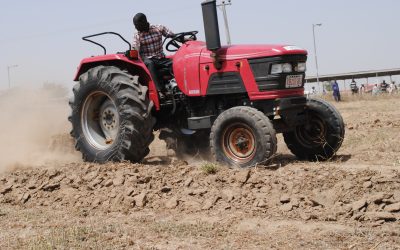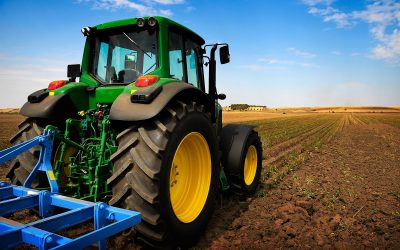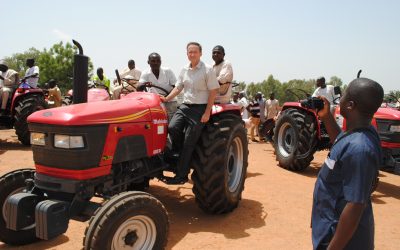
Commercial farming requires significant mechanisation from land preparation through harvesting to remain sustainable and profitable. Machines outperform manual labour in both efficiency and precision.
Nigerian agricultural products cost more and offer lower quality compared to other nations because most farmers rely on outdated, labour-intensive practices. This approach demands substantial workforces while producing inferior results.
The government has distributed farm machinery to local governments to support farmers, but these efforts have largely failed. The tractors provided are insufficient in number and poorly maintained, becoming non-functional quickly. This cycle forces farmers back to less productive methods, reducing yields and increasing Nigeria's food imports.
Currently, Nigeria has approximately 7,000 functional tractors serving roughly 30 million hectares of arable land. The nation needs approximately 70,000 tractors for comprehensive mechanised farming.
Private operators demonstrate superior maintenance practices. When privately-owned tractors malfunction, repairs typically occur within one or two days because owners understand the financial consequences of downtime. Incentivising private investment in tractor services through favourable financing represents a critical step toward agricultural advancement in Nigeria.